The Skills Dictionary

What are we actually measuring?

Perseverance and organization

A child’s ability to set goals and see things through, even when they don’t feel like it or no one is checking on them.
What is self-discipline?

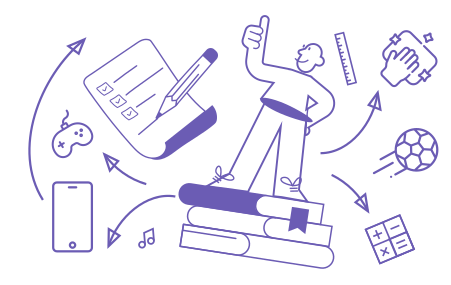
Self-discipline is a child’s ability to know what they need to do (homework, chores and so on), to get started on their own initiative without putting it off again and again, and to finish what they started without losing their way.

  • Planning and effort

    It means thinking tasks through before starting them, planning the time and materials they’ll need so they have enough, and having the strength to keep going even once they start to get tired or bored.

  • Self-confidence

    Self-discipline also builds a child’s confidence in their own abilities. Seeing that they can complete a task on their own from start to finish, their self-esteem grows, and with it the courage to take on other, more challenging tasks.

  • Their own path

    Last but not least, a child with a high level of self-discipline won’t be easily swayed by others and tends to follow the path they believe is best, despite peer pressure.

Inner balance

Your child’s ability to recognize and manage their emotions when things don’t go their way.

What is self-regulation?

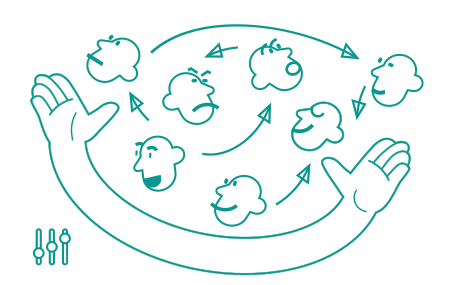
Self-regulation is a child’s ability to control their attention and emotions and to get through difficult moments well.

  • Attention and focus

    On the one hand, it shows how easily your child gets distracted from what they need to do, how well they can concentrate, whether they can tell when they’re doing things right and when they’re not, and whether they’re willing to try to understand their mistakes and make changes to fix them.

  • The emotional thermostat

    On the other hand, self-regulation is also a child’s emotional thermostat. It helps them calm down when they’re angry, scared or upset, get over a setback without too much trouble, and not give up the moment they hit an obstacle.

  • Harmonious relationships

    It also plays an important part in building harmonious relationships with others, because it helps a child think before reacting, wait calmly when they want something, and get upset less often over things that don’t matter.

Making informed decisions

Your child’s ability to question what they see and hear, instead of believing everything they’re told.

What is critical thinking?

Critical thinking is a child’s ability to run the information they receive through their own reasoning, weigh it up, and tell truth from falsehood and scientific facts from unfounded opinions.

  • Informed opinions

    It helps a child ask questions about the things they hear and believe, draw logical conclusions from the information they have, and form informed opinions that lead to good decisions.

  • Protection against manipulation

    What’s more, well-developed critical thinking protects a child from manipulation, teaching them to look for the source of the messages they’re exposed to and to spot inconsistencies in the stories they hear, weak arguments, hasty conclusions and unjustified generalizations.

  • Relationships with others

    When it comes to relationships with others, this complex way of thinking helps them keep their fondness for a friend or family member from clouding their judgment, siding with whoever has the best arguments rather than whoever is most popular or closest to them.

Report card grades show what your child knows today

Take the skills quiz and discover what will help them succeed tomorrow.

Show me

5 minutes

About Narada

Who we are
and why we exist

We started in 2020 in response to the real needs of schools in Romania, from infrastructure to basic resources. Today, we’re going further.

We want to redefine what educational success means in Romania and to measure the part that never shows up on a report card: how a child copes when things don’t go to plan, and their ability to face a future we can’t yet fully see.

Learn more
SOCIAL MEDIA
Narada